Capture same-day moves
Intraday trading means squaring off your positions within the same trading session. It calls for discipline, a clear strategy and reliable tools — all of which PCJ provides through an all-in-one professional platform.
Access a range of financial products and services, carry your trades across web and app, and rely on essential security features to keep every trade protected.
- Fast order execution
- Stop-loss & limit orders
- Live charts & indicators
- Web & app based
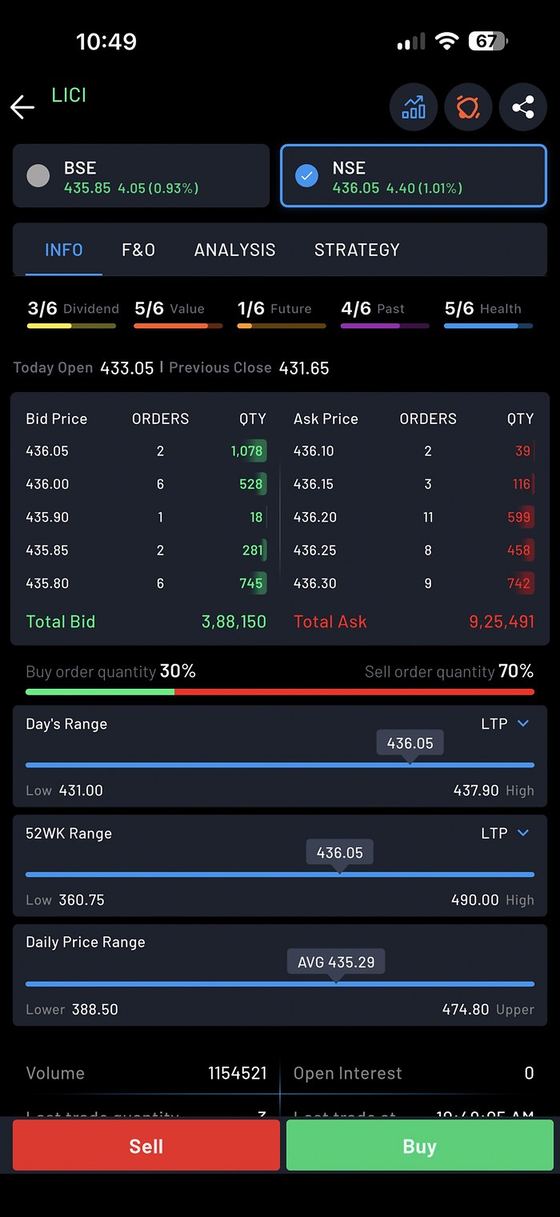
Understanding Intraday Trading in detail
What intraday trading is
Intraday means opening and closing a position within the same trading session — you do not take delivery. Positions are squared off before market close (or are auto-squared).
Margins & leverage
Intraday typically uses margin, letting you take a larger position with less capital. This magnifies both gains and losses, so risk control is essential.
Discipline is everything
Consistent intraday traders plan entries and exits in advance, always use stop-losses, and avoid over-trading. PCJ gives you fast execution, live charts, alerts and top gainers/losers to act quickly.
Is intraday right for you?
It demands time, attention and temperament. If you cannot monitor the market actively, delivery or SIP investing may suit you better. Trade on your own analysis, never on tips.
Why Trade Intraday with PCJ
One-Stop Trading
An all-in-one professional trading platform.
Multiple Devices
Web and app-based trading solutions.
Robust & Secure
Encryption and essential security features.
Customer Support
A team that assists your trading needs.
Begin in Three Simple Steps
Open your account
Complete a 100% online, paperless Demat & Trading account in about 10 minutes.
Meet your RM
Get a dedicated Relationship Manager for guidance and service support.
Trade Intraday
Set your view, place orders with stop-loss, and square off the same day.
Intraday Trading — Frequently Asked Questions
Buying and selling within the same trading session, squaring off positions before market close.
It carries higher risk and needs discipline, strategy and risk tools like stop-loss.
No — we provide the platform, charts and tools; decisions are your own.
Open intraday positions are typically auto-squared-off near the close, or converted subject to available margin.
Intraday uses margin, so you can take a larger position with less capital — but this also magnifies risk.
Live charts, price alerts, top gainers/losers and fast order execution — all in PCJ Invest.
There is no minimum. You can buy a single share, and many good companies trade at modest prices. If you prefer mutual funds, SIPs start from as little as ₹500 a month. What matters is starting early and staying regular — the amount can grow with your confidence.
In delivery trading you buy shares and hold them — they are credited to your demat account and remain yours until you sell. In intraday trading you buy and sell the same day, closing your position before the market shuts. Delivery builds long-term wealth; intraday is short-term trading that needs skill, discipline and strict stop losses.
Normal equity market hours on NSE and BSE are 9:15 AM to 3:30 PM, Monday to Friday, with a pre-open session from 9:00 to 9:15 AM. Markets are closed on exchange holidays — see our Market Holidays page for this year's full list and a live open/closed status.
A stop loss is an order that automatically exits your position if the price crosses a level you set, capping your loss. For traders it is essential — it turns an unlimited risk into a known, small one. Decide your exit level before you enter a trade, not after the price starts falling.
Yes, in most cases you can convert an intraday position to delivery before the market closes, provided you have the full funds for the purchase. The reverse is also possible subject to margins. Do note that conversion depends on the stock being available for delivery trades and on your available balance.
PCJ has a research desk that shares curated ideas, and your dedicated Relationship Manager helps you understand them in the context of your own goals. The final decision is always yours — SEBI registration and NISM certification do not guarantee returns, and no honest broker will promise them.
Futures and options are contracts whose value depends on an underlying share or index. A future is an agreement to buy or sell at a fixed price on a future date. An option gives you the right — but not the obligation — to do so, for a price called the premium. They are tools for hedging and trading, and they carry leverage, which magnifies both profit and loss.
Very. SEBI's own study found that about nine out of ten individual F&O traders lost money, with sizeable average losses. Leverage means a small market move against you can wipe out a large part of your capital. If you still want to trade derivatives, start small, learn payoff structures, always use stop losses, and never trade with money you cannot afford to lose.
Margin is the deposit the exchange requires you to keep with the broker to take a leveraged position. It ensures you can honour your obligations if the market moves against you. Margins change with volatility, and if your losses eat into the margin, you get a margin call asking for more funds — failing which the position may be squared off.
SEBI requires brokers to collect income proof before activating derivative segments because F&O involves leverage and is suitable only for investors who can bear the risk. A recent salary slip, six months' bank statement, ITR acknowledgement or demat holdings statement usually works.
Related Products & Services
Ready to begin your PCJ journey?
Open a 100% online Demat & Trading account, or book a private consultation with a dedicated Relationship Manager.