Take a view on tomorrow, today
A futures contract is an agreement to buy or sell an asset at a predetermined price on a future date. Futures are standardised, traded on exchanges, and require margin — used to hedge exposures or take leveraged positions.
Open your trading account effortlessly and without paperwork — onboard through the PCJ Invest app and trade in a hassle-free environment. Manage and access all your assets in one place, across multiple asset classes, with full visibility of your portfolio.
- Index, stock, currency & commodity futures
- Completely paperless onboarding
- Live margin & position tracking
- Multiple asset classes in one place
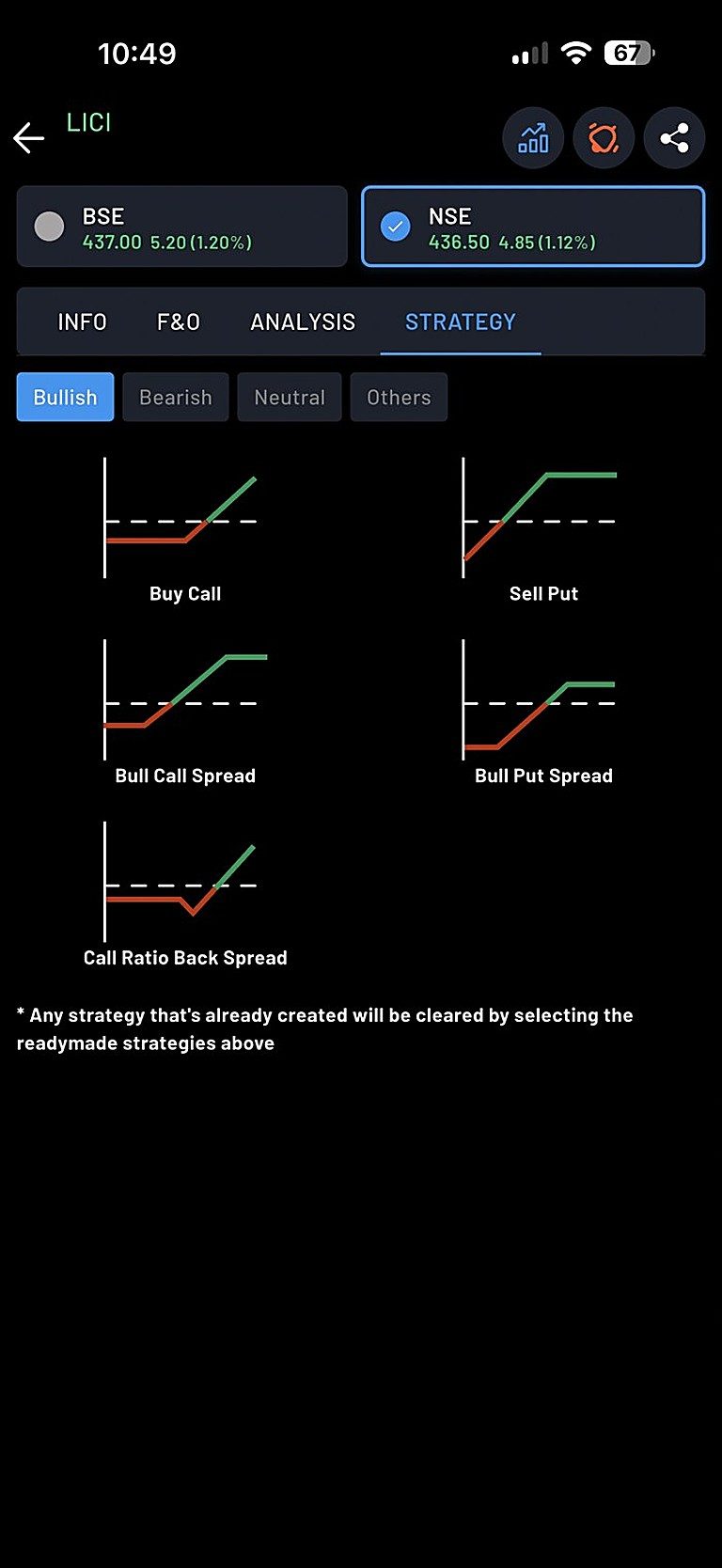
Understanding Future Trading in detail
What a futures contract is
A future is an exchange-traded agreement to buy or sell an underlying — an index, stock, currency or commodity — at a set price on a fixed expiry date. Contracts are standardised and traded in lots.
Margins & mark-to-market
You post an initial margin to take a position; profit and loss are settled daily (mark-to-market). You must maintain the margin, and top it up if the market moves against you.
Rollover & expiry
Positions can be closed before expiry or rolled over to the next series. On expiry, index and stock futures are settled as per exchange rules.
Hedging with futures
Beyond expressing a view, futures let you hedge — for example, protecting a portfolio from a short-term fall. Futures are leveraged; trade only with a clear understanding of the risks.
Why trade futures with PCJ
Paperless Account
Open and trade without paperwork.
Multiple Assets
Diversify across asset classes, tracked daily.
Positions & Margin
Live P&L and margin visibility.
Quality & Control
Trade with confidence and full visibility.
Begin in Three Simple Steps
Open your account
Complete a 100% online, paperless Demat & Trading account in about 10 minutes.
Meet your RM
Every client gets a Relationship Manager to contact directly for queries, process help and account support.
Trade Futures
Choose a futures contract, check margin, and place your order.
Future Trading — Frequently Asked Questions
Yes — opening is free and paperless; margins apply to trade futures.
Yes — futures are leveraged products; trade only with a clear understanding of the risks.
The daily settlement of your futures gains and losses against the closing price; you must maintain the required margin.
Yes — close the current contract and open the next series before expiry to carry your view forward.
Indices, stocks, currencies and commodities, subject to segment activation.
Futures and options are contracts whose value depends on an underlying asset — a stock, index, commodity or currency pair. A future is an agreement to buy or sell at a fixed price on a future date. An option gives you the right — but not the obligation — to do so, for a price called the premium. They are tools for hedging and trading, and they carry leverage, which magnifies both profit and loss.
Very. SEBI's own study found that about nine out of ten individual F&O traders lost money, with sizeable average losses. Leverage means a small market move against you can wipe out a large part of your capital. If you still want to trade derivatives, start small, learn payoff structures, always use stop losses, and never trade with money you cannot afford to lose.
Margin is the deposit the exchange requires you to keep with the broker to take a leveraged position. It ensures you can honour your obligations if the market moves against you. Margins change with volatility, and if your losses eat into the margin, you get a margin call asking for more funds — failing which the position may be squared off.
SEBI requires brokers to collect income proof before activating derivative segments because F&O involves leverage and is suitable only for investors who can bear the risk. A recent salary slip, six months' bank statement, ITR acknowledgement or demat holdings statement usually works.
Muhurat trading is a special one-hour trading session that exchanges hold on Diwali evening, considered an auspicious time to invest. The exact timing is announced by NSE and BSE each year. It is a symbolic session — liquidity is thinner than normal hours, so trade thoughtfully.
Related Products & Services
Ready to begin your PCJ journey?
Open a 100% online Demat & Trading account, or book a private consultation with a dedicated Relationship Manager.